Leikeim brewery goes by the longer name Brauhaus Altenkunstadt – Andreas Leikeim GmbH & Co. KG and is located in the city of Altenkunstadt, Germany. It is a family owned brewery since 1887 and is today being operated by the 5th generation.
I bought this beer from a local supermarket on the island of Rügen, Germany. That price was 0.79 Euro for this 500 ml glass bottled pilsner at 4.9% alcohol.
Good looking crystal clear and golden yellow in the color.
Big head with a fine foam on top.
Aroma comes off with a freshness and slight bitterness to it.
Powerful CO2 with a good balance between fresh fruit and hops. After taste rounds off with some bitterness.
To Øl used to be two friends, working as nomad brewers, travelling from brewery to brewery. This was the case in 2014, where I drank their Cloud 9 beer. In 2019 they bought an old ketchup factory in the Western part of Zealand, Denmark. It is a massive complex of 150.000 m2 ground with 26.600 m2 buildings on it. They have set up a full-blown specially designed brewery for their own production and will also host other brewers in their craft beverage hub.
I bought this wheat beer in a local supermarket in Odense, Denmark, on offer at the price of 3 Euro. This wheat beer came in a 440 ml can with a alcohol content of 4.2%
Light yellow in the color with a hazy look.
Medium sized head with fine foam on top.
Flowers and hops dominate the aroma, more than the wheat does. Sweet and yeast notes along with it.
Good CO2 content, mouthful of tastes, in a great balance. Flowery, sweetness and good after taste with slightly hoppy tones.
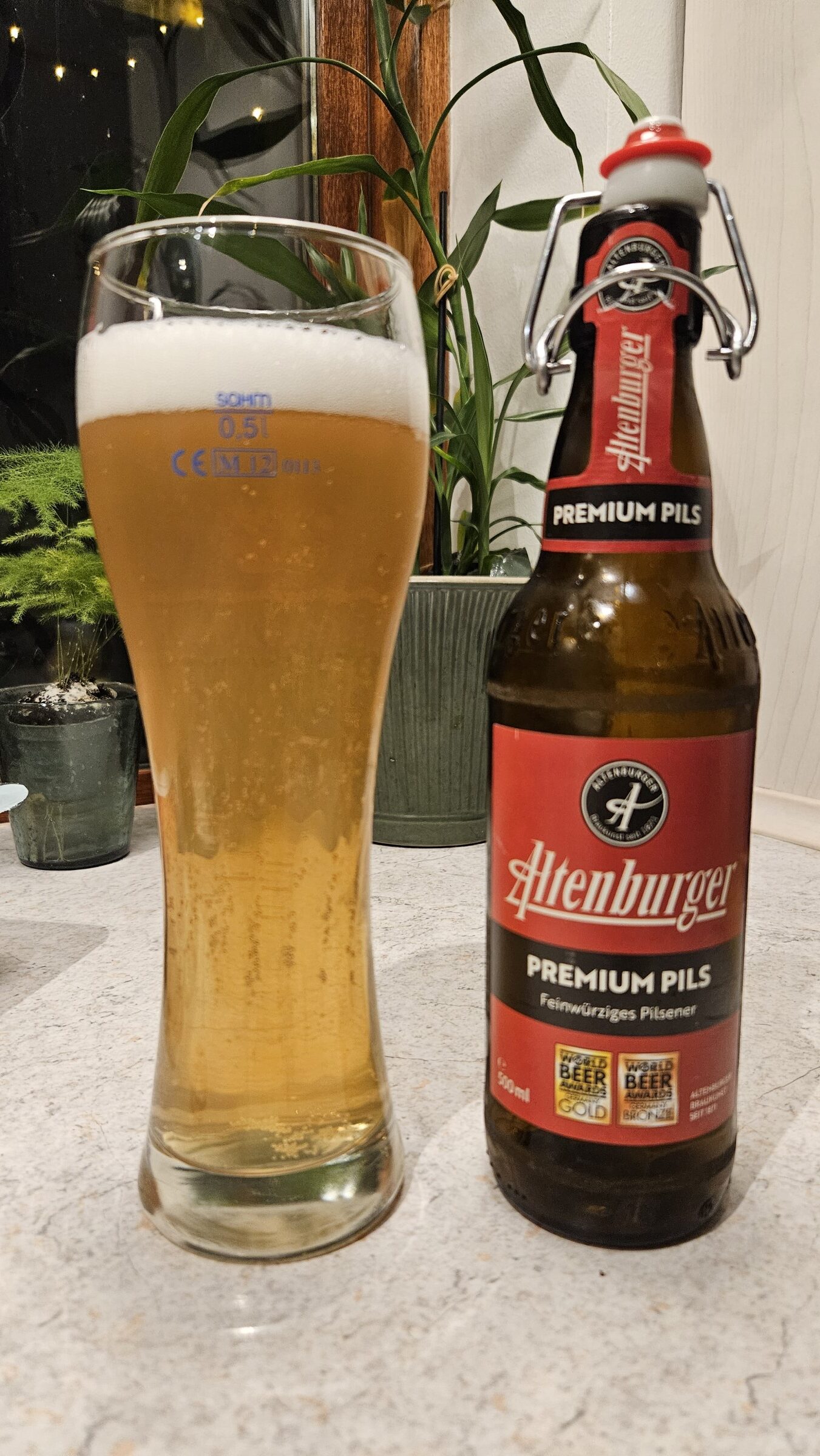
Altenburger Brauerei, is a brewery founded in 1871 in Altenburg, Thuringia, Germany. The brewery is family owned.
I bought this pilsner in a local supermarket in Germany during a vacation. The price was 1.49 Euro for a 500 ml glass bottled beer at 4.9% alcohol.
Nice yellow and a tad hazy. Nice big head for a pilsner. Fine foam on top.
Fresh fruit and hops in the aroma. Balancing some nice sweet notes.
Good CO2 level, very fresh from the hops bitterness. Not off balance, but changes quickly from fresh, bitter to some darkness in the aftertaste. I could have wished for a slight sweetness, to tie it together in the middle.
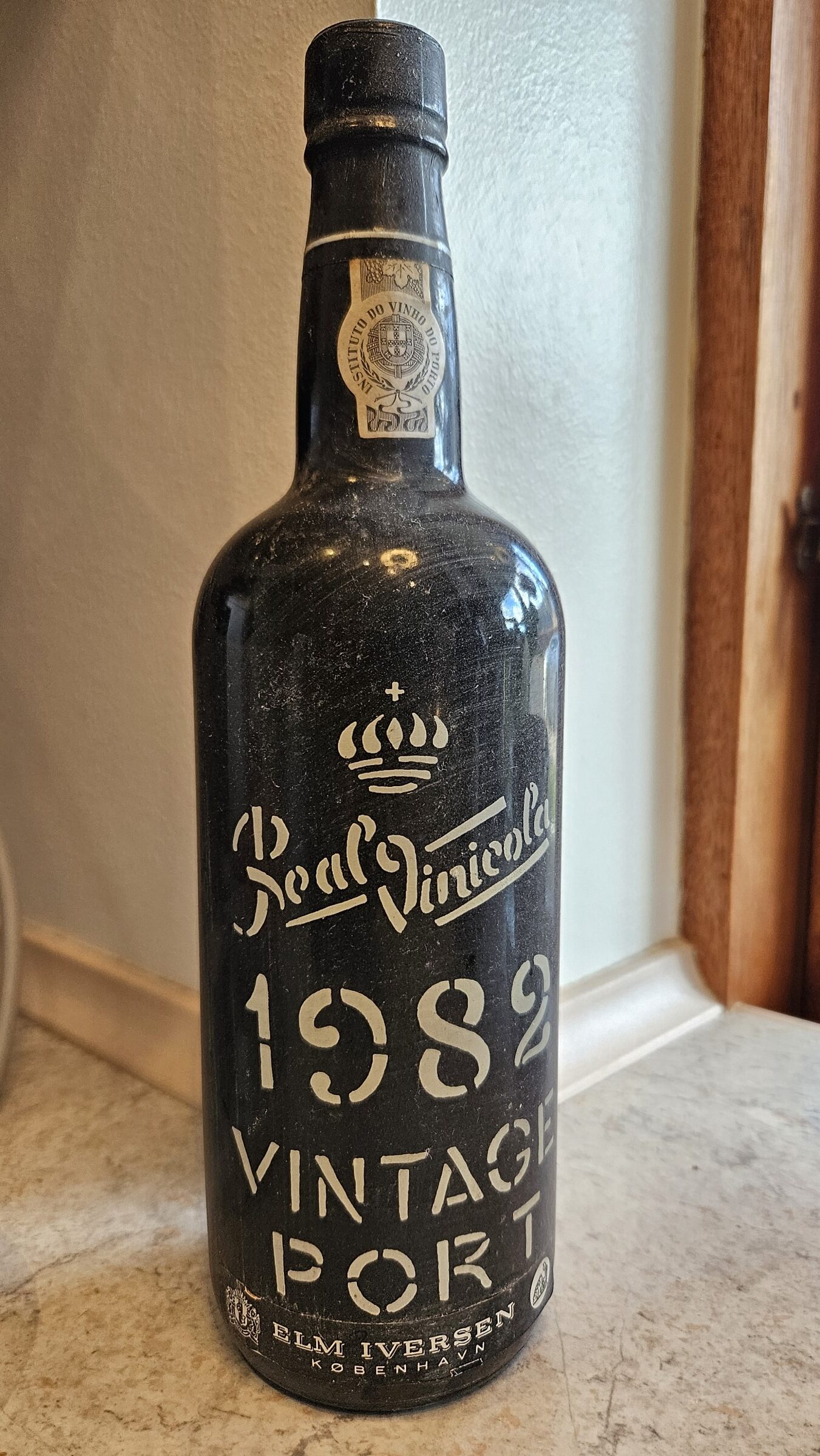
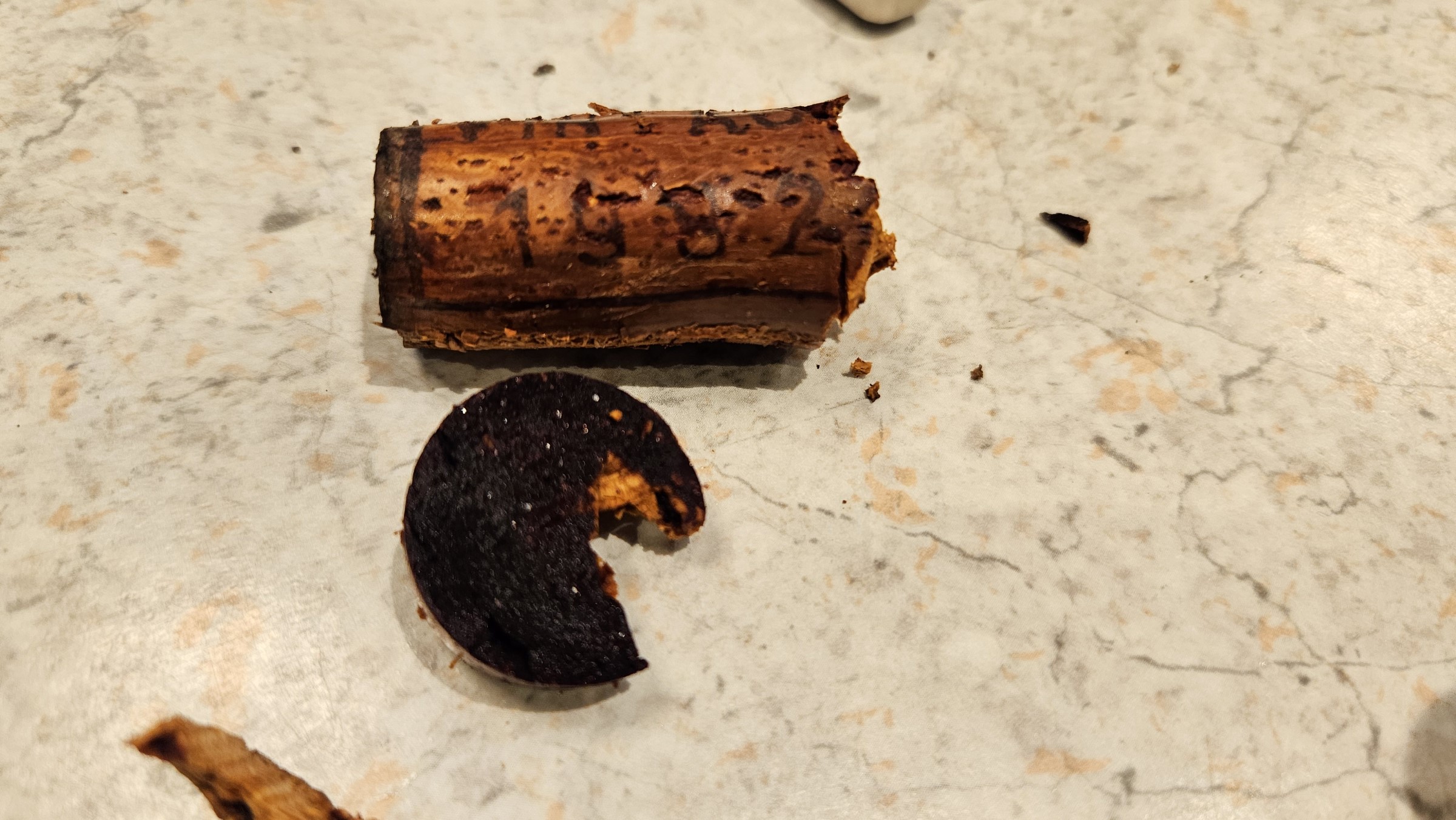
Real Vinicola has the longest continuous history of any of today’s producers of Duoro wines. Founded in 1889 under contract with the Portuguese government, it was entrusted with the task of selling wines from various regions in northern Portugal, including Duoro red wines and port wines.
They bought Quinta do Sibio in 1934 and has declared this as Single Quinta Vintage Port. Quinta do Sibio was known as Quinta do Jordão and was planted by Jose Joaquim Pereri Jordão in the 1860s and 1870s. The quinta was in the hands of the Jordão family until 1934 when Real Companhia Vinícola purchased it.
Real Vinicola was bought by Real Companhia Velha in 1963, but the quinta’s wines was still sold under the Real Vinicola label.
I bought this 750 ml bottle at 20% alcohol, at about 32 Euro.
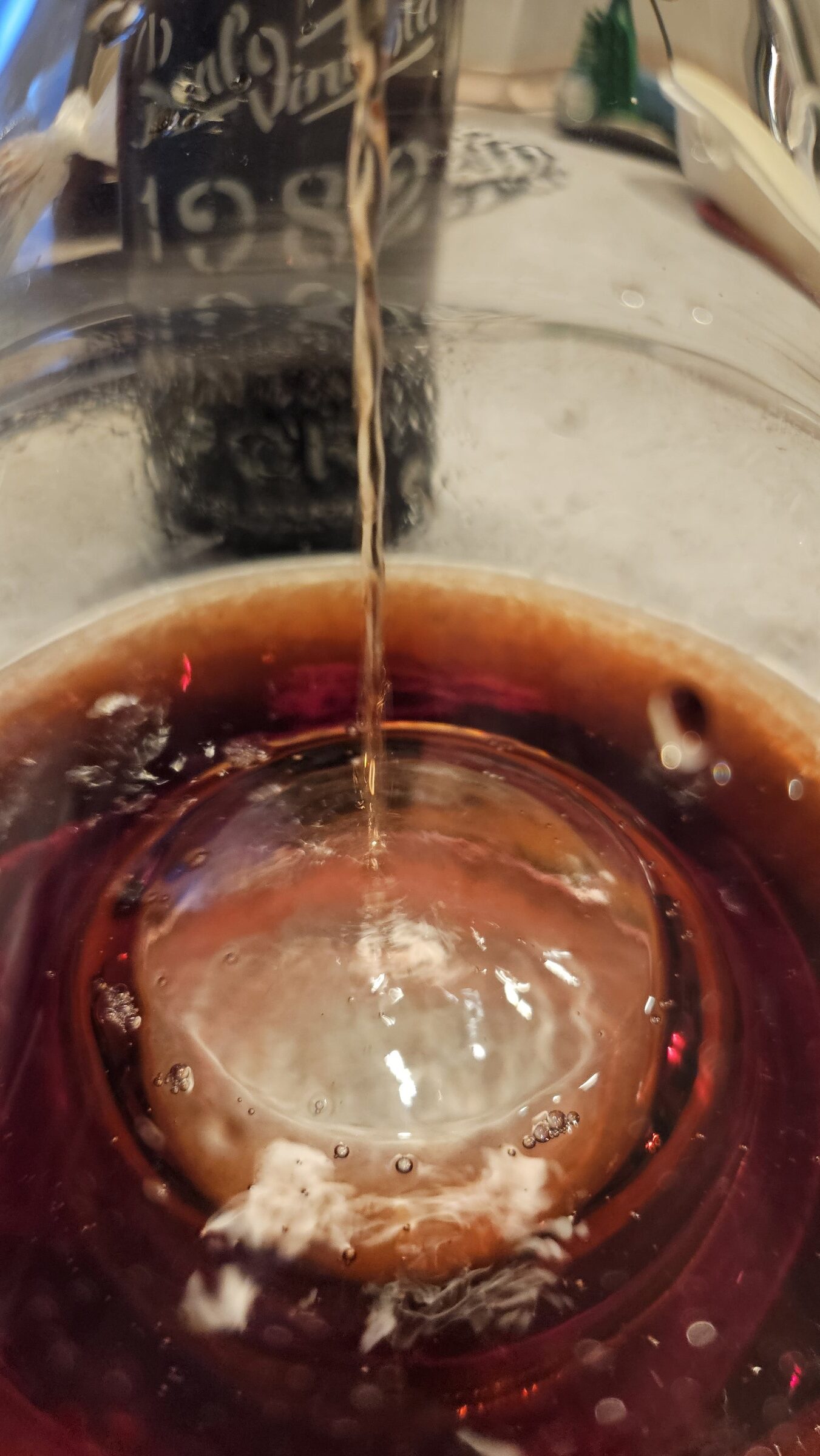
Taste notes right after decanting
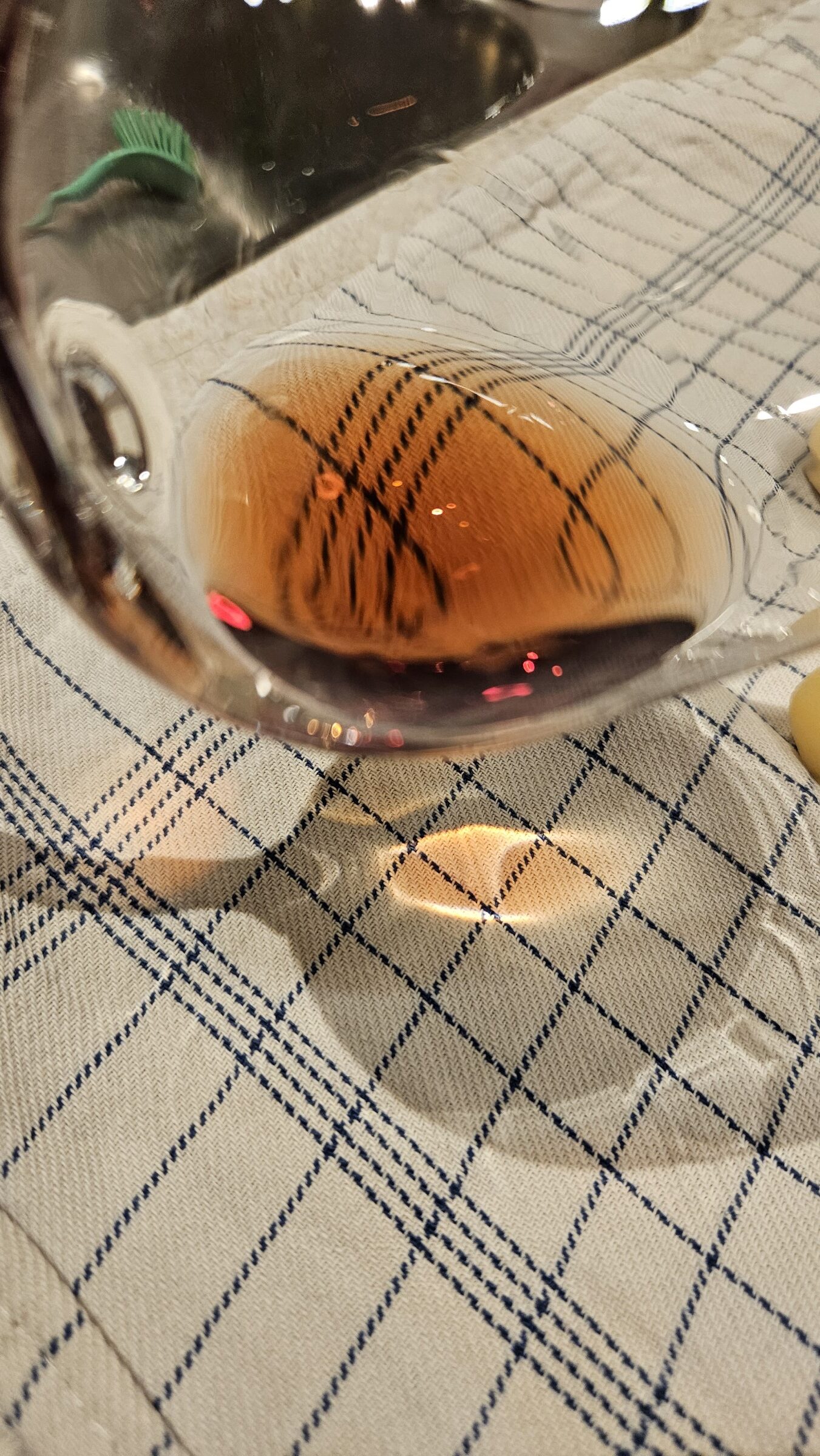
Clear and light brown in the color. Weak red notes when held up against light.
Good dried fruits and raisin in the aroma, but still dominated by the alcohol.
Taste is dominated by the alcohol, a thin palate of dried fruits fights its way through. The acidity and tannins is still strong enough to make their point. Warm and light weight in the after taste.
Intermediate rating 83 / 100
Taste notes 4 hours after decanting
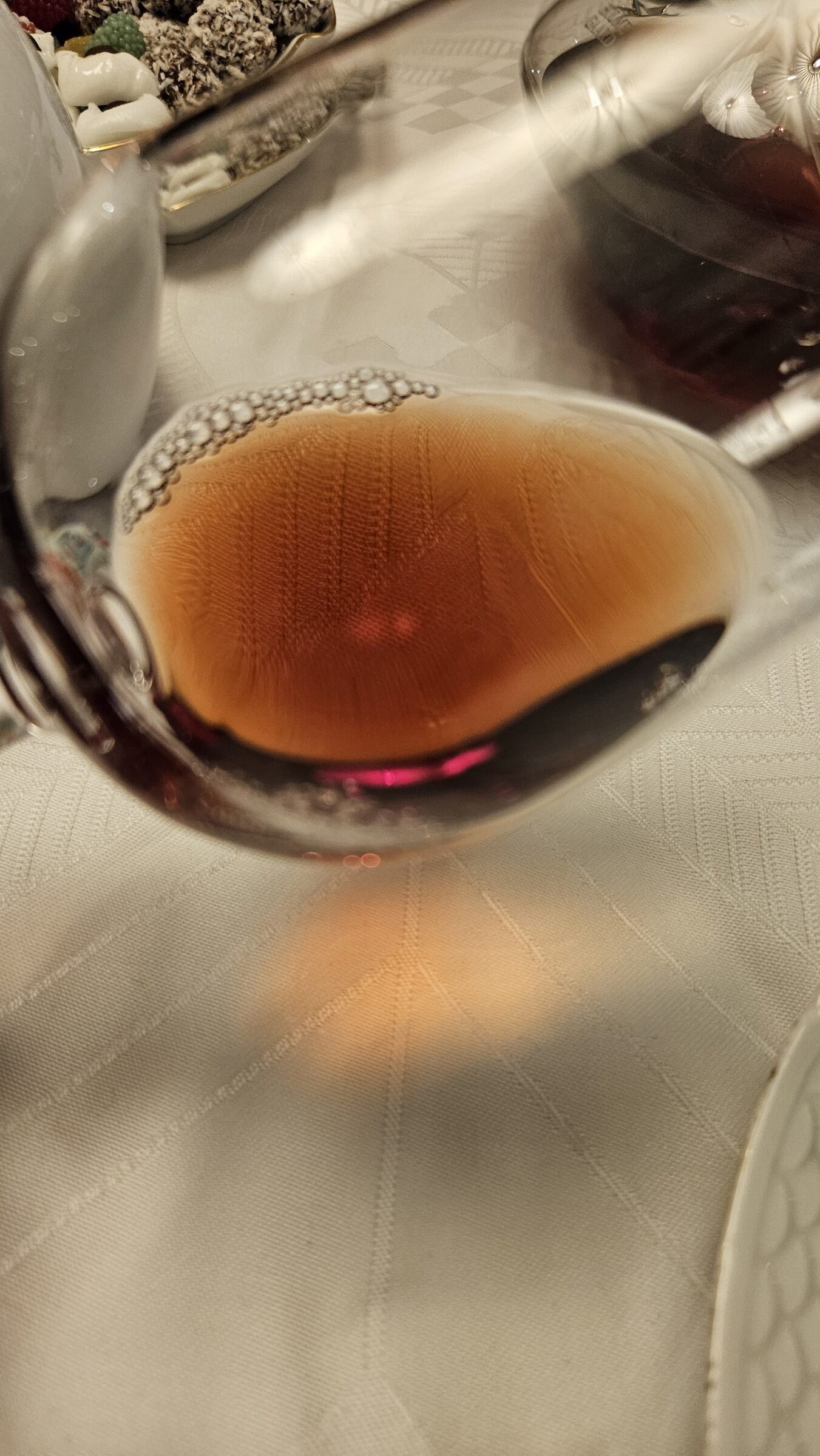
Color has gained more red notes and a deeper darkness.
Aroma has gained more dried fruit notes, it became more powerful.
Tannins got less aggressive in the taste, still a lot of warmth from alcohol and acids.
After taste has improved with the aeration, but this wine is overdue for drinking and will not improve further.
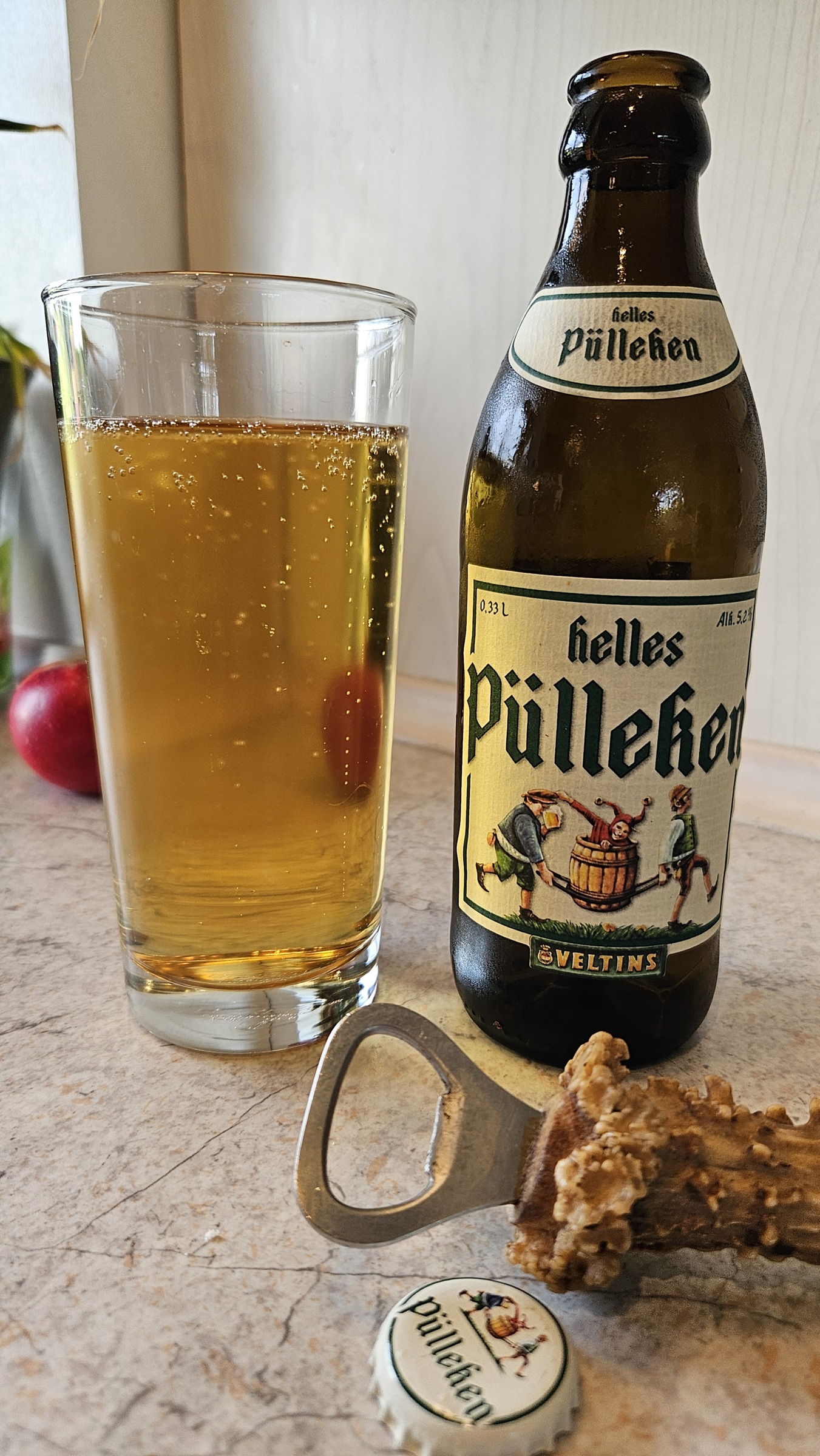
Veltins Brewery is located in Merschede-Grevenstein, Germany. The history of the brewery goes back to Franz Kramer guesthouse brewery in 1824. Clemens Veltins took over in 1852. The new name, Brauerei C & A Veltins, came from the twins Carl and Anton Veltins who took over the company from their father in 1893. Susanne Veltins has directed the company since 1994.
Crystal clear yellow in the color.
A bit of foaming from pouring, but no head that stays.
Aroma comes of fresh, refreshing and with good nice hints of hops.
Good active CO2 level, suits the fresh and delight taste. Extremely well-balanced in taste and mouthfeel. Velvet soft in the aftertaste.
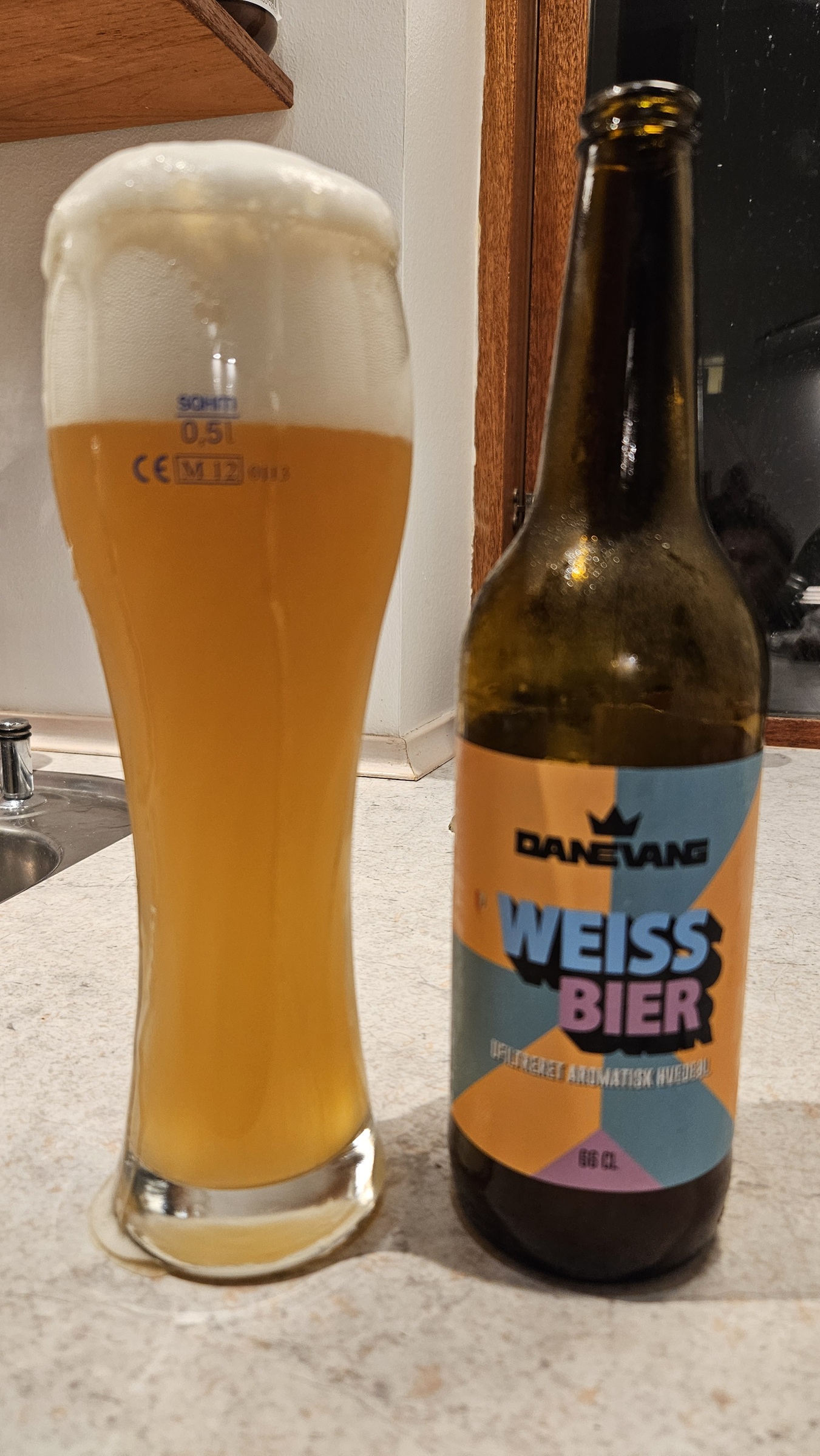
Skanderborg Bryghus was founded in 2014 by seven hobby brewers and craft beer enthusiasts. They specialize in organic beers and has a special collaboration with the local renovation company, to use their waste heat from burning trash.
I bought this 660 ml weissbier, at 5.5% alcohol, bottled on glass.
Very nice orange in the color. Thick unfiltered beer with a fast growing head. A large head with a fine foam top, head disperses, but leaves a layer on beer.
Powerful and fruity aroma. Lots of nice sweet wheat notes.
Good CO2 level, nice and sweet fruits in the taste. There is a slight unbalance between hops and sweetness.
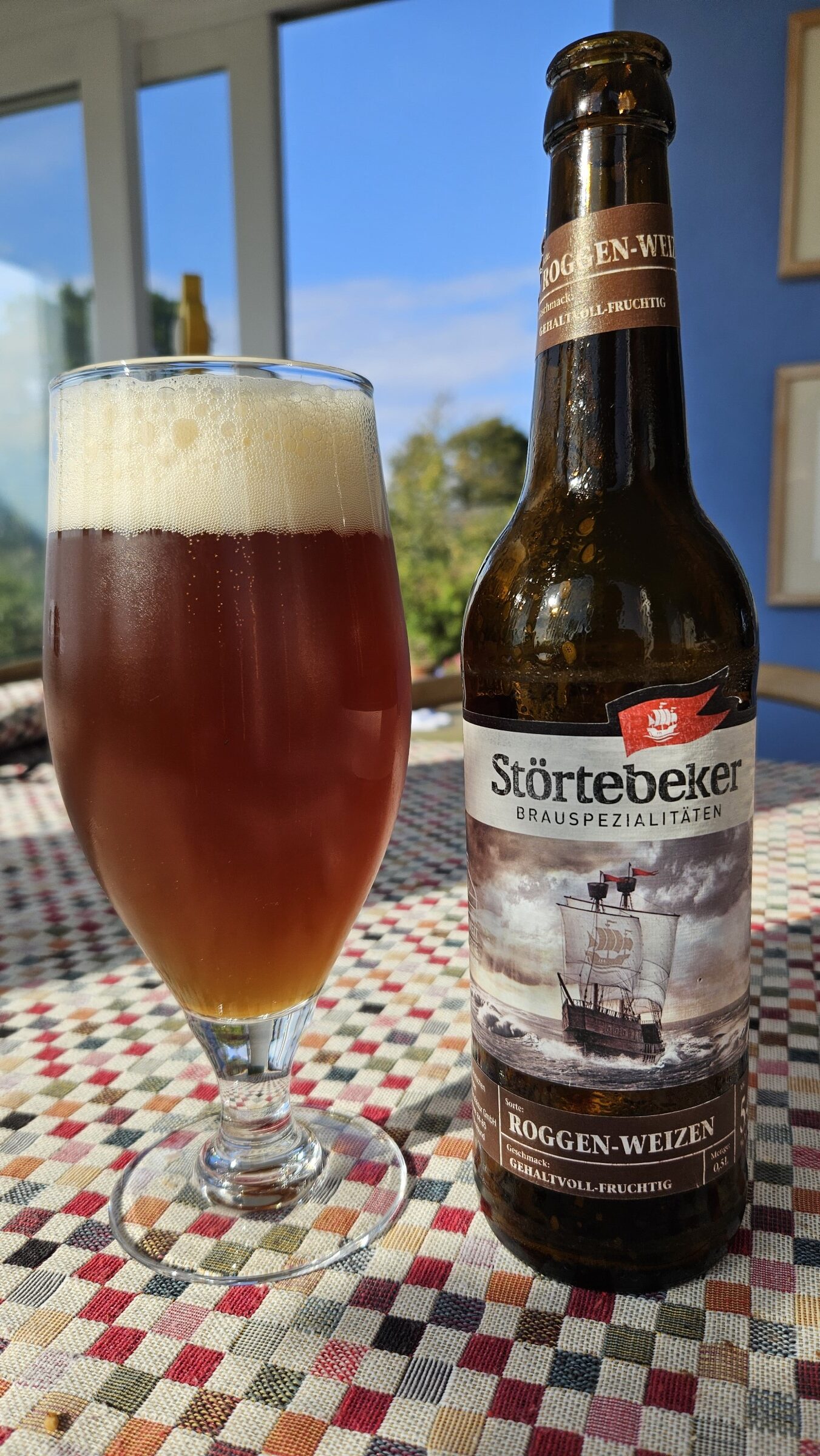
Störtebeker brewery was founded in 1862 in Stralsund, Germany. The first big expansion of the brewery was in 1899 where the building now had brewing going on on multiply stocks.
I bought this 500 ml glass bottled dunkel rye and wheat weissbier, in a local supermarket on the island of Rügen, Germany. The price for this beer, at 5.4% alcohol, was 1.29 Euro.
Deep orange and brown in the color, hazy and lots of fine sediment, all part of the beer, not big chunks.
Nice big head with a fine brown foam on top.
A clear dark fruit aroma with lots of depth and wheat to it.
Good CO2 level, full-bodied wheat and sweet fruits in the taste. Good dark notes and well balanced between the rye, barley and wheat. After taste is not that powerful, no bitterness, just a fading darkness.
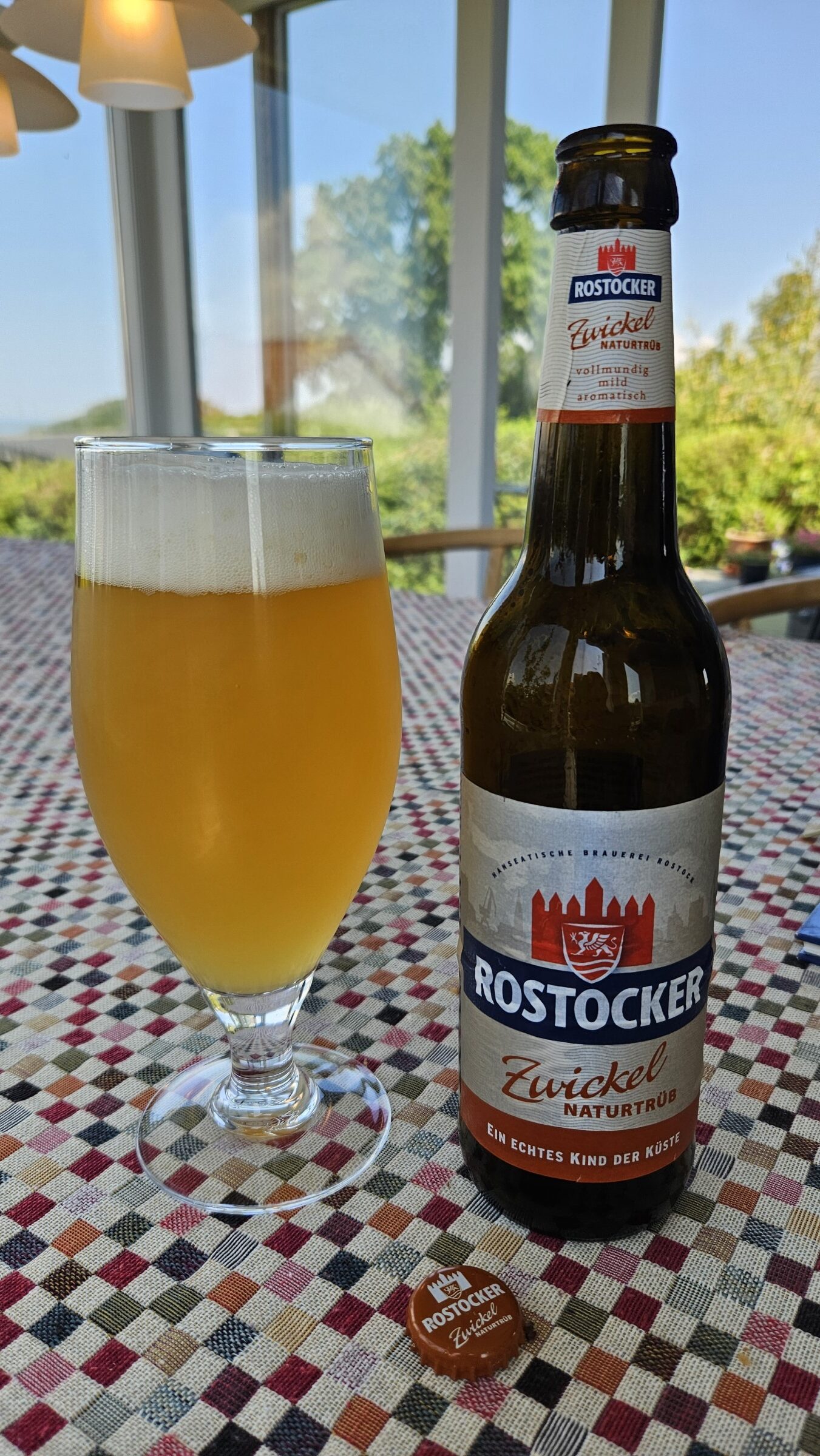
Hanseatische Brauerei Rostock GmbH is a brewery founded in 1878, in the Hansestadt Rostock, Germany. The brewery belongs to the Radeberger Group, which is owned by the Oetker-Group.
This pilsner type beer comes in a 500 ml glass bottle, at 4.9% alcohol. I bought it at the price of 0.99 Euro, in a local supermarket on the island Rügen, Germany.
Rostocker Zwickel is a pilsner, but unfiltered to give a original experience as close to the Germany Beer Purity Law, as possible.
Nice yellow color with a thick haziness to it.
Nice big white head with fine foam on top.
Aroma is with a clear pilsner tone to it, hops shine through.
Good CO2 level, it has the freshness of the pilsner and full-bodied feeling of a unfiltered wheat beer. After taste is a weak fruit but ends mostly in bitterness.
Frankfurter Brauhaus is a fairly young brewery, it was founded in 1988 in Frankfurt, Germany.
I bought this 500 ml canned beer, at 5.4% alcohol level, for the price of 0.55 Euro. It was found in a local supermarket on the island of Rügen, Germany.
Good looking yellow to orange in the color. Unfiltered and hazy.
Nice big white head with a fine foam on top.
Aroma is a blend of wheat, sweet fruits and tad bit of something off-balanced.
Low CO2, which gives it a bit of flatness. Not so full-bodied in the taste, some great wheat notes, but the overall balance between wheat, sweetness and hops is not there. It is refreshing, but the same off-balanced feeling from the aroma, is also present in the taste.